
HAIR LOSS & SCALP DISORDERS
Hair Loss & Scalp Disorders
The medical term for hair loss is alopecia, which can have many different causes. Establishing the correct diagnosis is an important first step in determining the most appropriate treatment. There are two main types of alopecia: non-scarring alopecia and scarring alopecia.
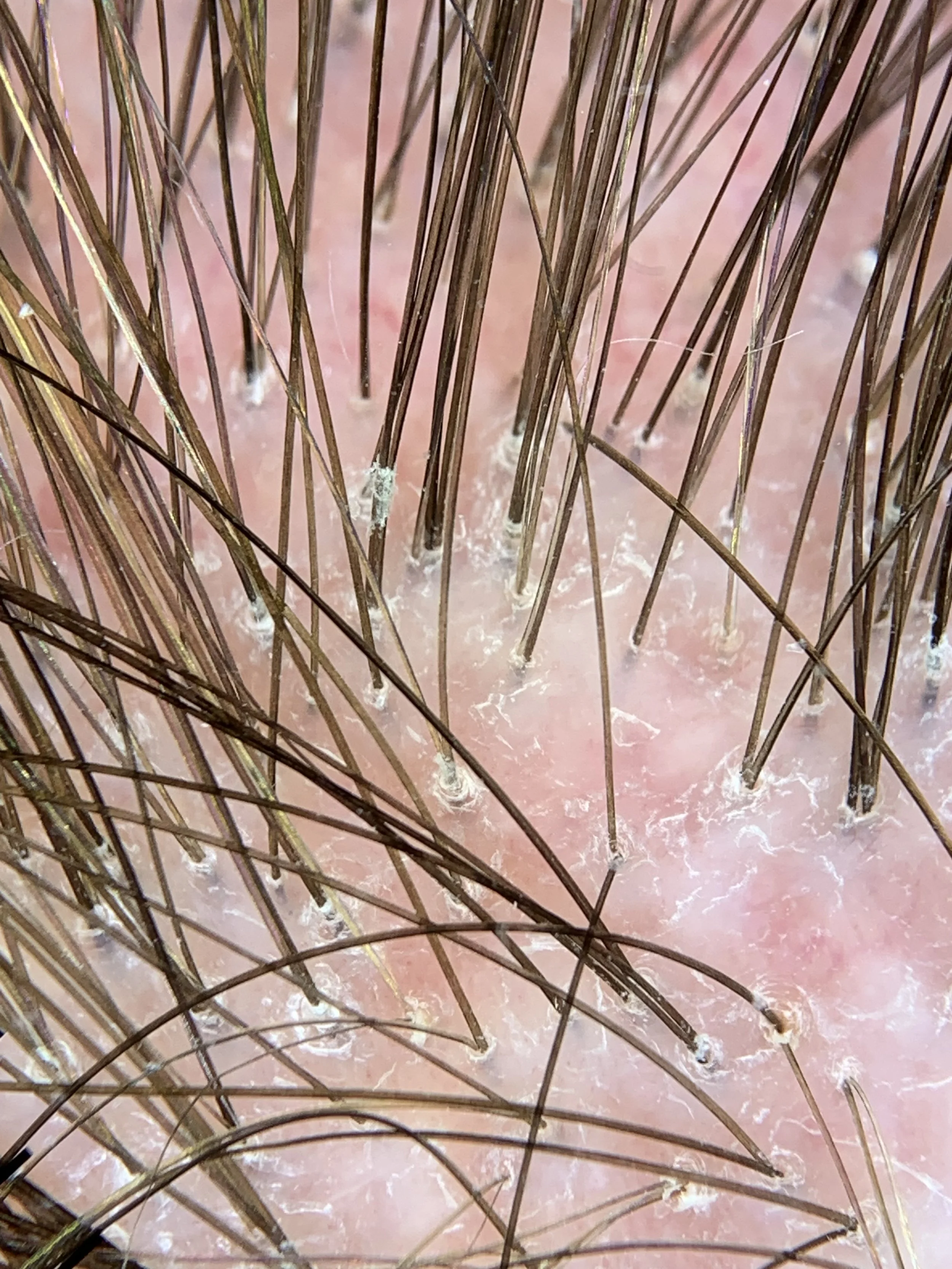
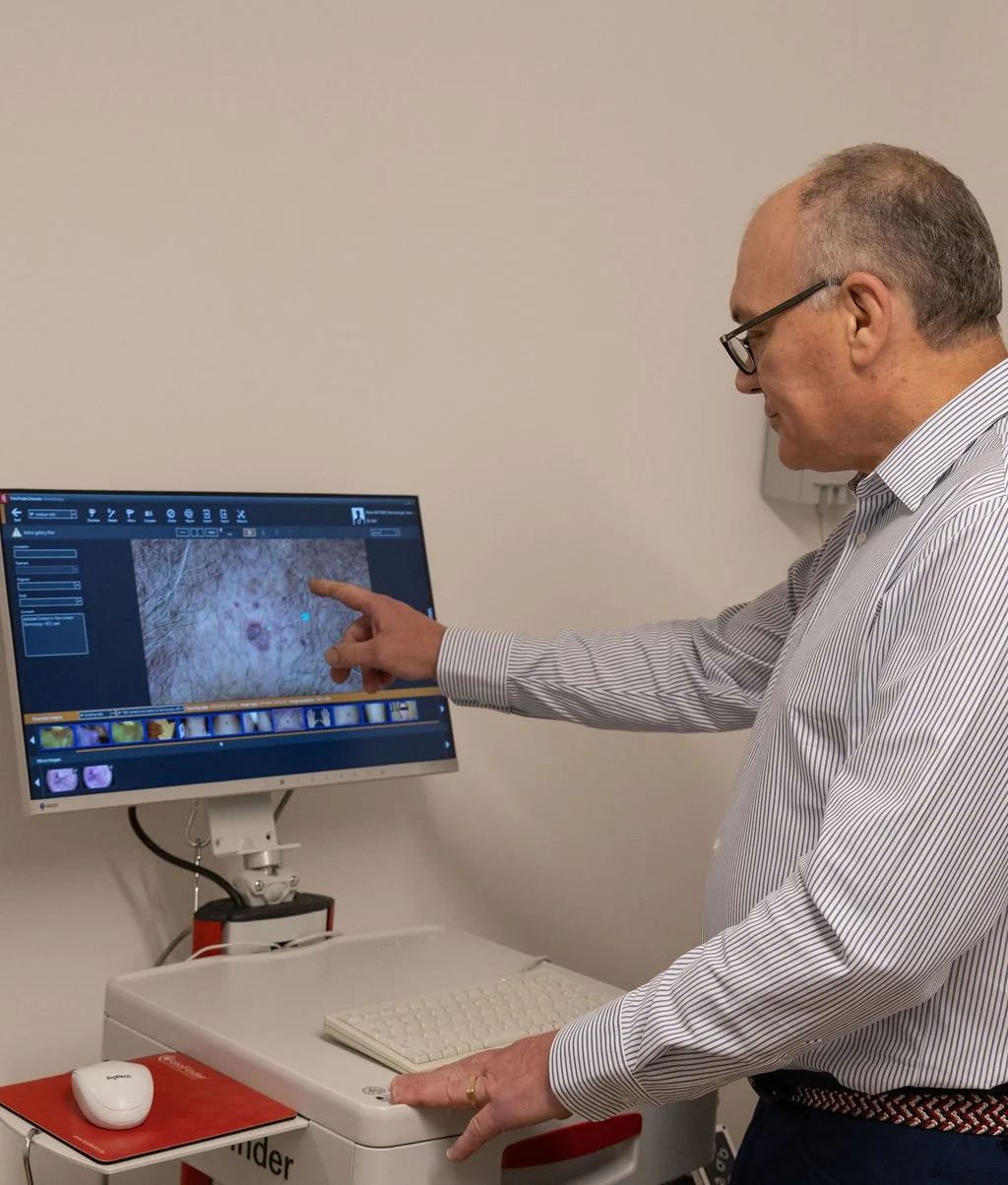
At Greystones Dermatology, hair loss assessment may include a detailed examination of the hair and scalp using a handheld or electronic FotoFinder dermatoscope. This specialised examination, known as trichoscopy, allows the hair and scalp to be examined in greater detail and can help identify the underlying cause of hair loss.
Where appropriate, relevant blood tests may also be recommended and, in selected cases, a scalp biopsy may be required to help establish an accurate diagnosis and guide treatment.
Hereditary Hair Loss
Androgenetic alopecia, commonly known as male or female pattern hair loss, is the most frequent cause of progressive hair thinning. Genetics and hormonal sensitivity of the hair follicles to androgen/ Testosterone play very important roles.
Treatment options depend on age, sex, medical history and pattern of hair loss and may include topical or oral medications where clinically appropriate. Early diagnosis and treatment can help preserve existing hair.
Alopecia Areata
Alopecia areata is an autoimmune condition in which the immune system attacks hair follicles, typically producing smooth, round or oval areas of hair loss. It can affect the scalp, beard, eyebrows or other areas.
Treatment depends on the extent and duration of hair loss and may include topical treatments or corticosteroid injections into affected areas, where appropriate.
Telogen Effluvium
Telogen effluvium causes increased shedding of hair and may occur following illness, surgery, significant stress, nutritional deficiency, hormonal changes, childbirth or certain medications.
Assessment aims to identify and address possible underlying triggers. In many cases the condition improves once the trigger has resolved, although recovery of hair density takes time.
Traction Alopecia
Traction alopecia results from repeated pulling or tension on hair follicles, often related to tight hairstyles, braids, extensions or other hair practices.
Early traction alopecia may be reversible if the source of tension is removed. Long-standing traction can permanently damage follicles, making early recognition particularly important.
Scarring Alopecia
Scarring, or cicatricial, alopecia represents a group of conditions in which inflammation damages and permanently destroys hair follicles. Examples include lichen planopilaris and frontal fibrosing alopecia.
Early diagnosis is particularly important because treatment aims to suppress inflammation and prevent further permanent hair loss. Assessment may involve trichoscopy and sometimes scalp biopsy.
Ready to get clarity and expert advice about your skin?
Book a consultation today for expert assessment, clear advice and personalised care.