

SKIN CANCER SCREENING
Skin Cancer Screening
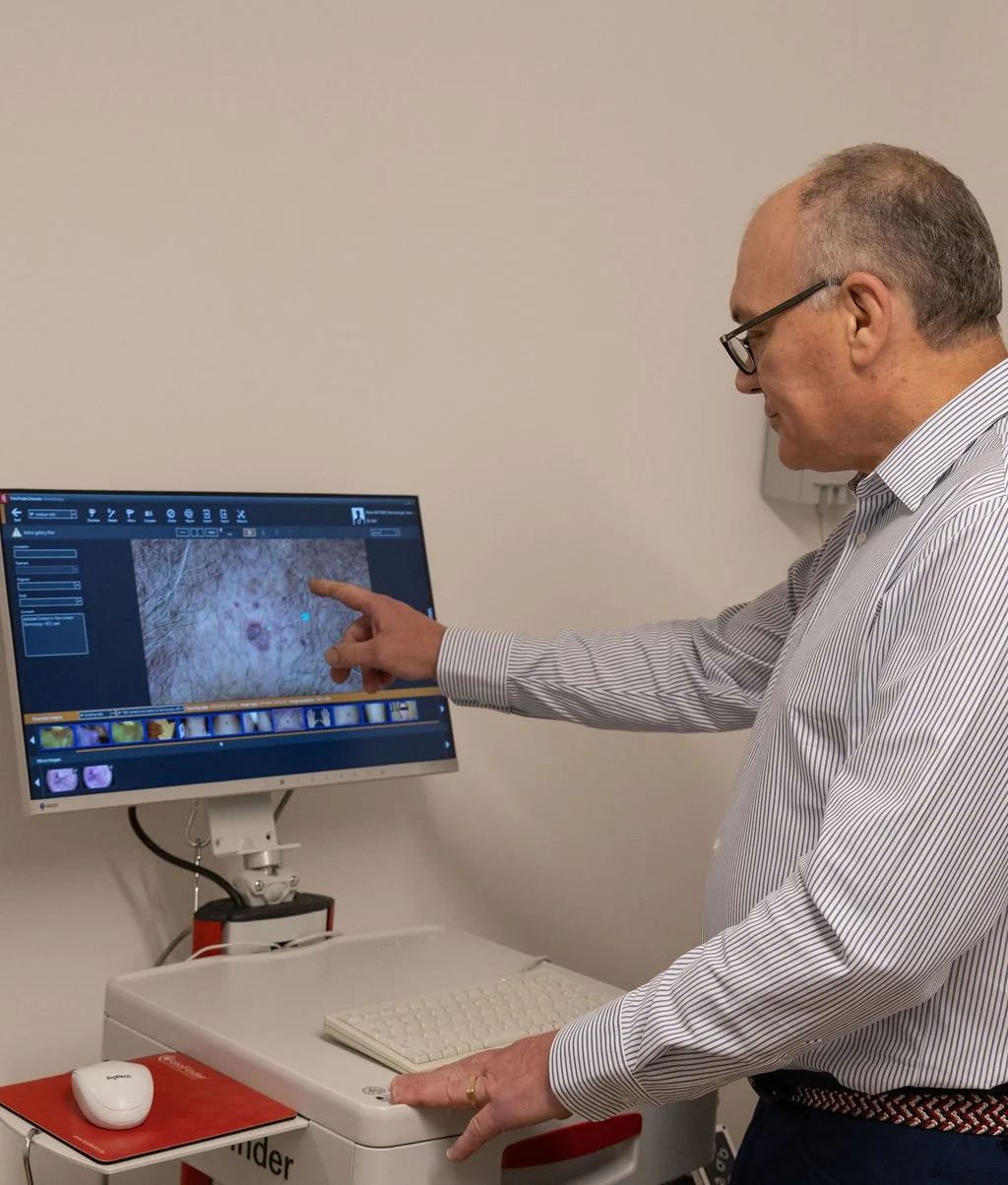
A skin cancer check involves a systematic examination of the skin for suspicious or unusual lesions. Dermoscopy may be used to examine individual moles and skin lesions in greater detail, and digital imaging or mole mapping may be recommended for selected patients.
At Greystones Dermatology, skin checks are tailored to the individual patient, taking into account their skin, medical history and personal risk factors.
Basal Cell Carcinoma (BCC)
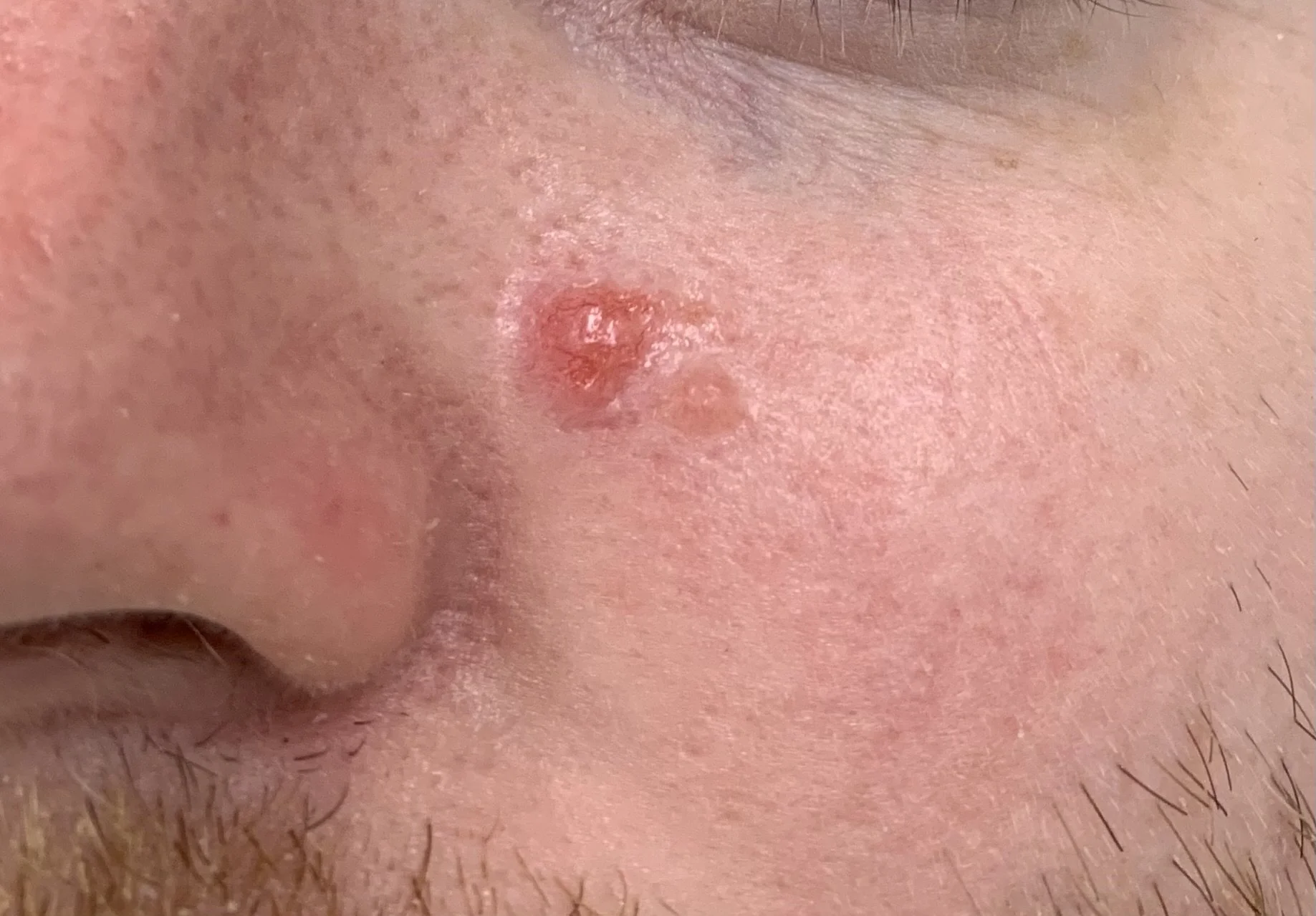
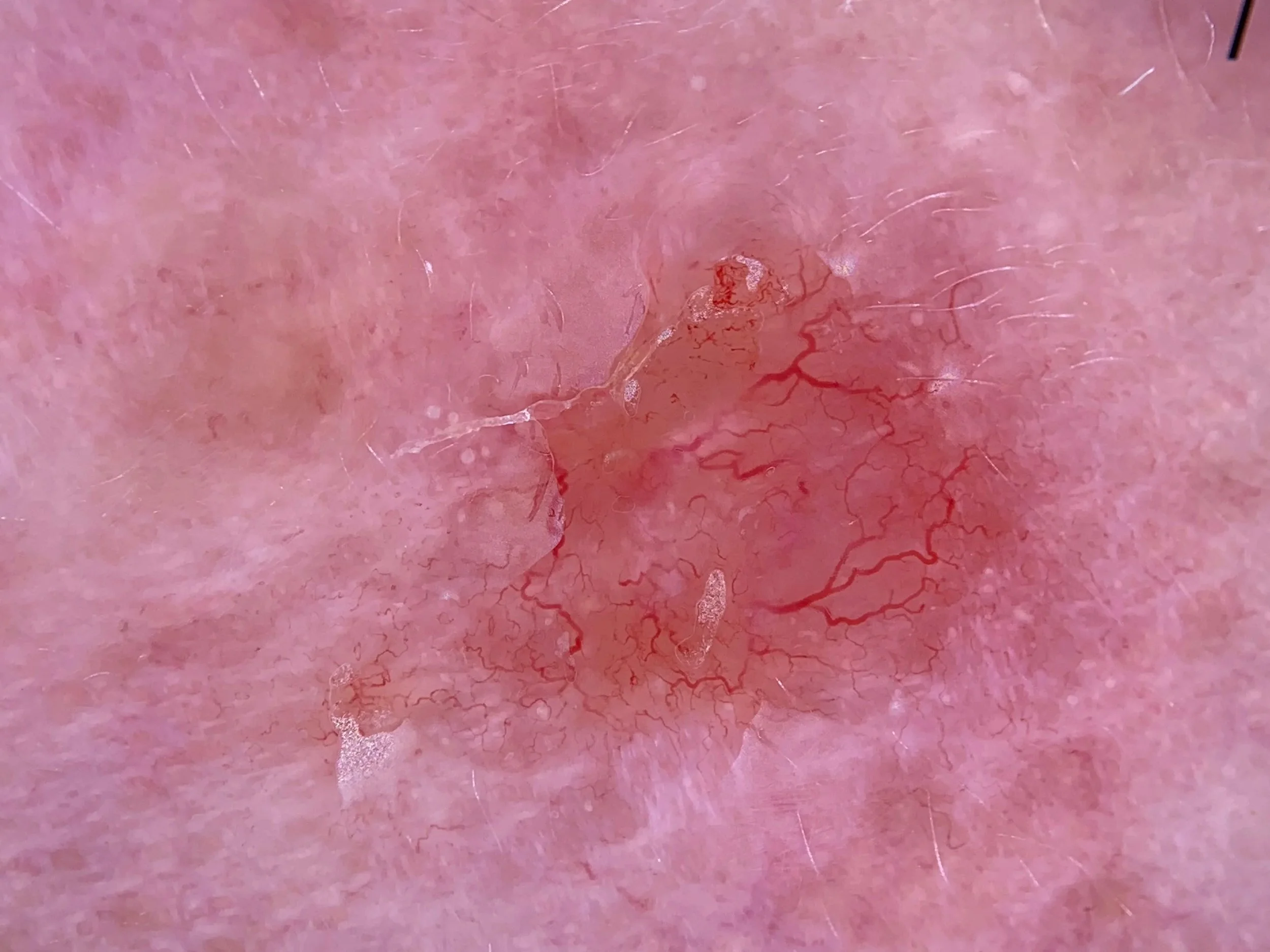
Basal cell carcinoma (BCC) is the most common form of skin cancer. It typically develops on sun-exposed skin and may appear as a pearly or shiny lump, a persistent red patch, or a sore that repeatedly crusts, bleeds or fails to heal.
BCCs usually grow slowly and rarely spread elsewhere in the body, but they can progressively damage surrounding tissue if left untreated. Treatment may include surgical excision or other appropriate treatments depending on the type, size and location of the lesion.
Squamous Cell Carcinoma (SCC)
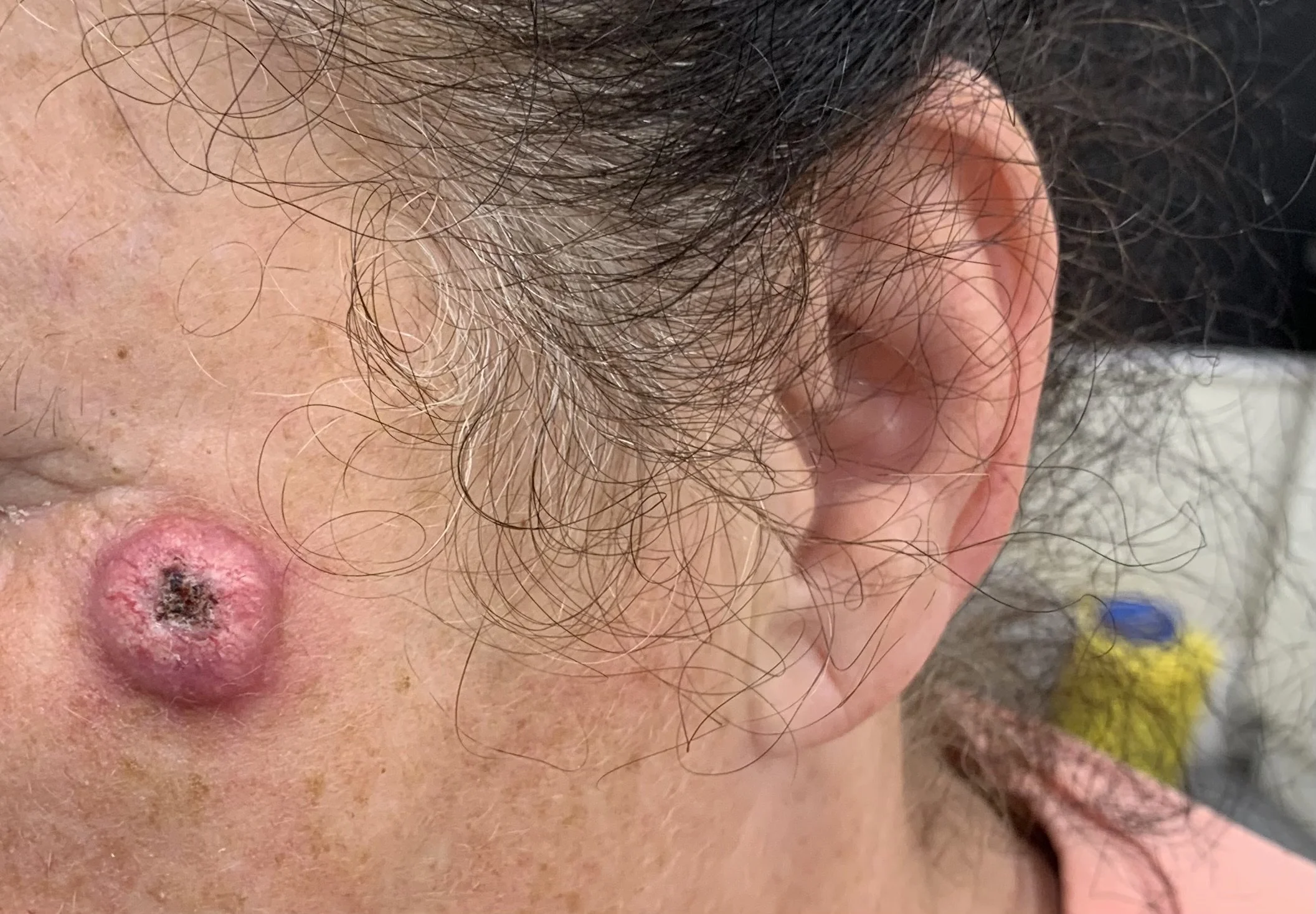
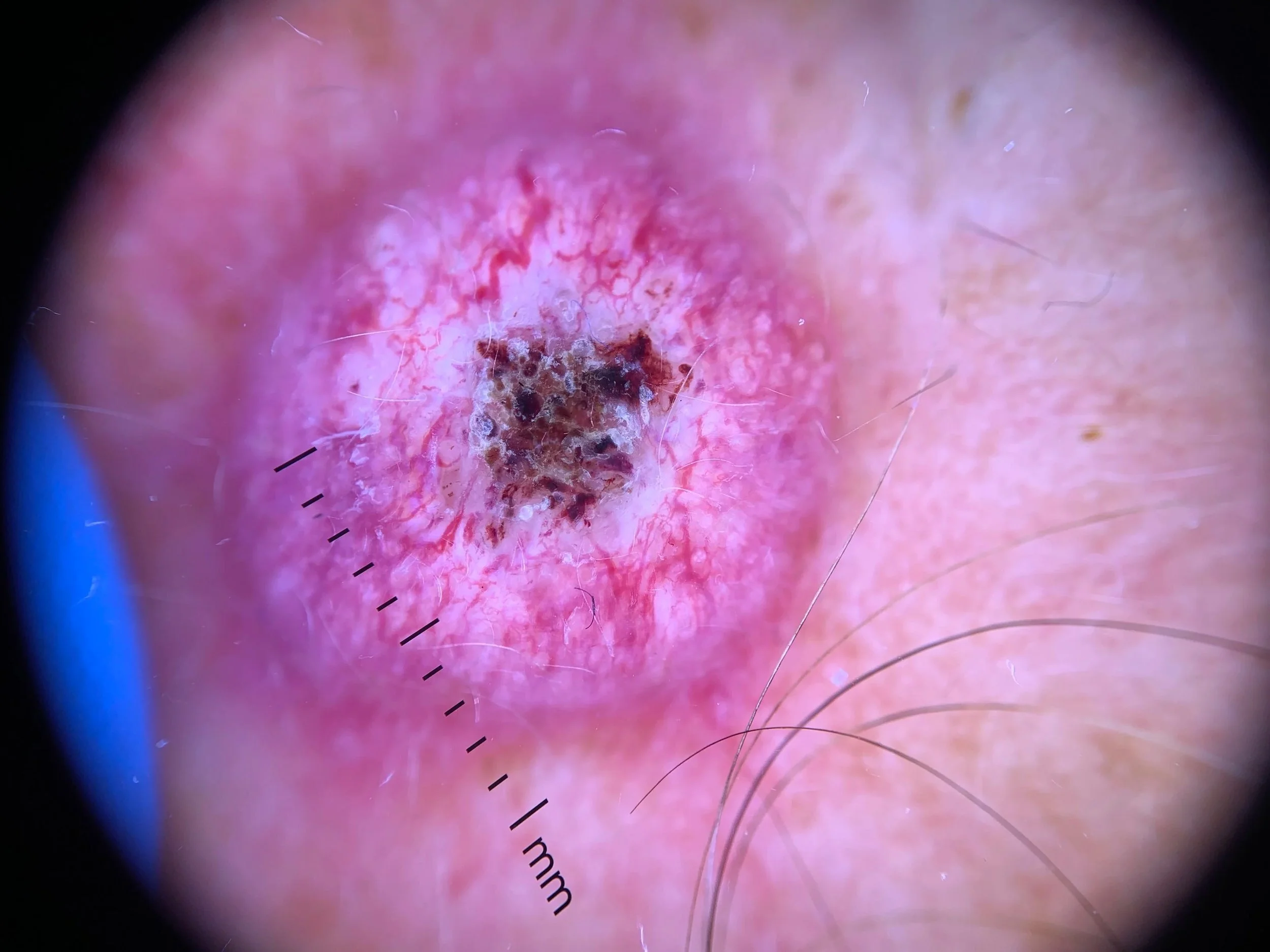
Squamous cell carcinoma (SCC) is a malignant tumour of keratinocytes and commonly develops on chronically sun-damaged skin. It may appear as a rapidly growing lump, scaly plaque, crusted lesion or non-healing sore.
Most SCCs are successfully treated when detected early, usually by surgical removal. Some SCCs have a higher risk of spreading and may require additional specialist management.
Melanoma
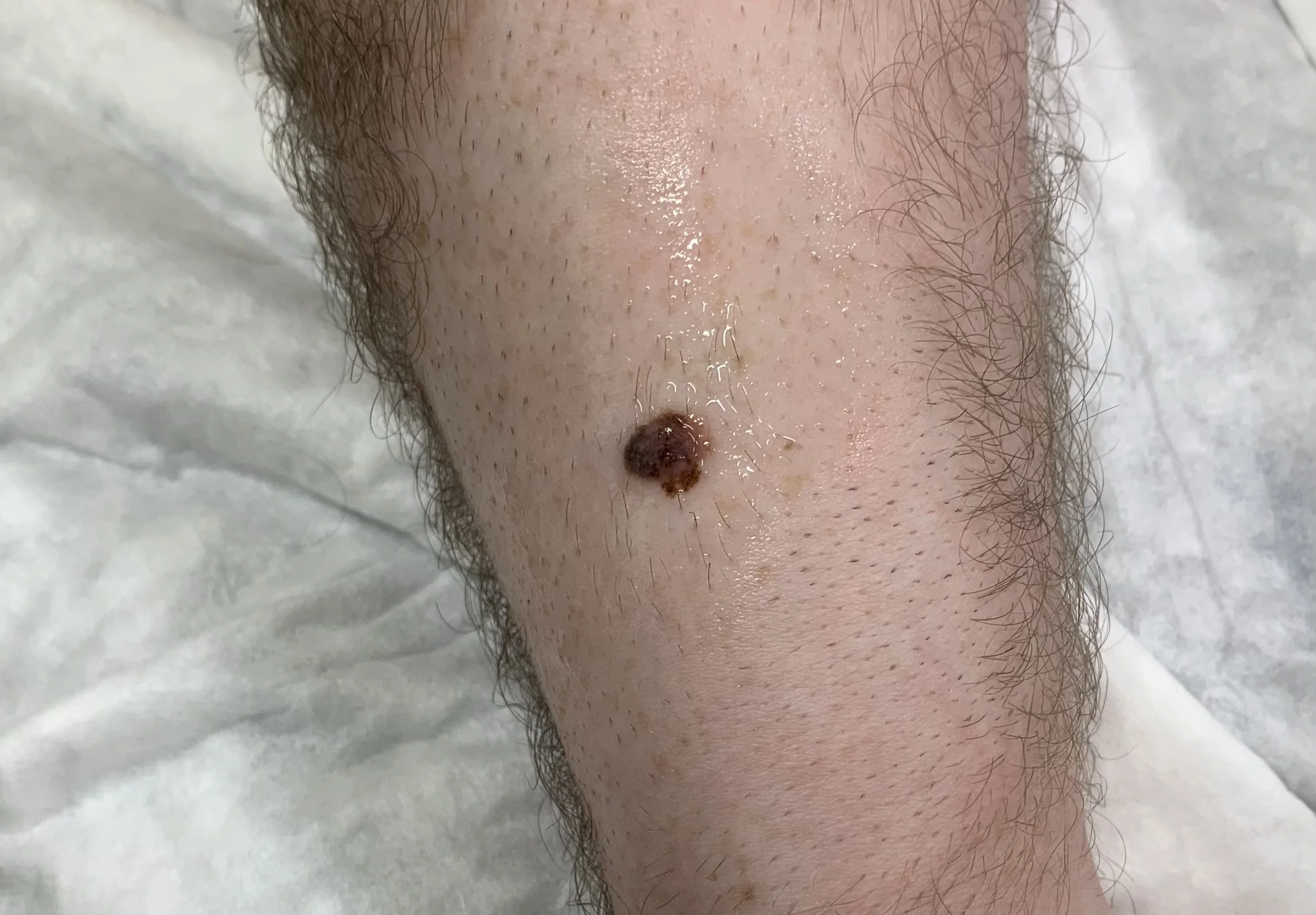
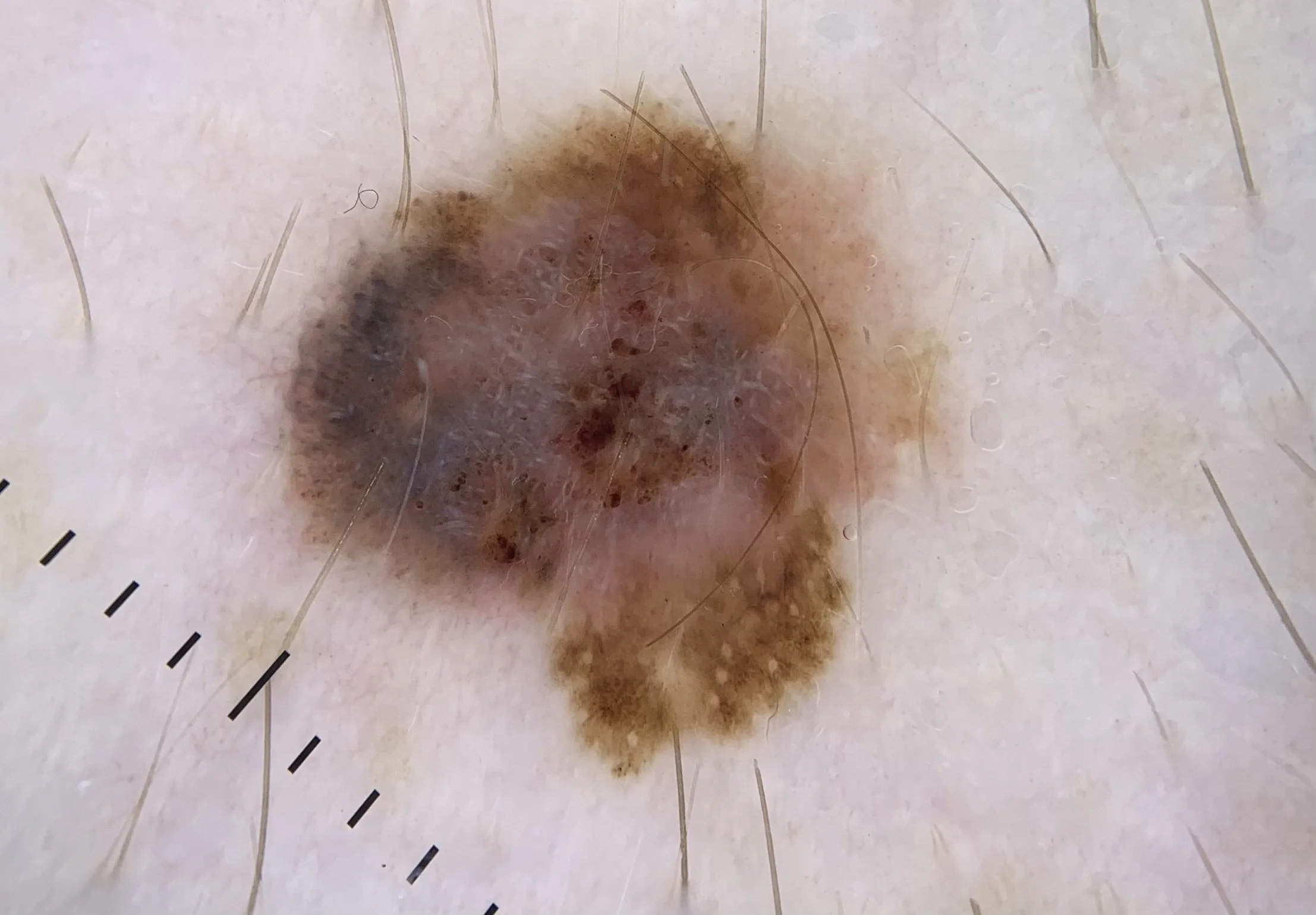
Melanoma Is a potentially serious form of skin cancer arising from pigment-producing cells called melanocytes. It may develop within an existing mole or appear as a new or changing skin lesion.
Early diagnosis of melanoma is particularly important because thin, early melanomas have a much better prognosis. Suspicious moles or lesions require appropriate surgical excision and histological examination.
Merkel Cell Carcinoma
Merkel cell carcinoma is a rare but aggressive form of skin cancer. It usually appears as a rapidly growing, firm, painless red, pink or purple lump, often on sun-exposed skin.
Because of its aggressive behaviour, suspected Merkel cell carcinoma requires prompt diagnosis and specialist multidisciplinary management.
Who Should Have a Skin Cancer Check?
Anyone concerned about a new, changing or unusual mole or skin lesion should seek assessment. Regular or targeted skin cancer checks may be particularly appropriate for people with multiple or atypical moles, fair skin and significant lifetime sun exposure, previous skin cancer, a strong family history of melanoma, a history of significant sunburn, immunosuppression, or extensive occupational or recreational sun exposure.
The appropriate frequency of skin checks and mole assessments depends on individual risk factors and clinical findings.
Ready to get clarity and expert advice about your skin?
Book a consultation today for expert assessment, clear advice and personalised care.